Autism Symbols and Their Meanings
Brandon Fredricks August 29, 2023
Symbols are an easy way to represent ideas and concepts. Regarding autism, there have been many different symbols used. The puzzle piece, the puzzle piece ribbon, the butterfly, the color blue, and the rainbow infinity symbol all represented autism awareness. But how did these symbols develop? Who designed them? Why were they created? So, let’s dive into the history of autism symbols.
The First Puzzle Piece
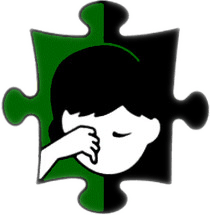
The first puzzle piece design features a child crying in the middle. The National Autistic Society in the United Kingdom adopted the symbol in 1963. The non-autistic parent and board leader Gerald Gasson created the symbol. The intended meaning of this symbol was to express that autistic people suffered from a ‘puzzling condition.’
The ‘condition’ may be puzzling to neurotypicals, but as autistic individuals, everything we do makes sense to us personally. This symbol highlights the differences between neurotypicals and those on the spectrum and perpetuates the stigmatization of autistic culture. Furthermore, it is worth noting that a neurotypical individual created this symbol without input from anyone on the autism spectrum. This symbol represents a ‘condition’ needing a cure.
The National Autistic Society has since changed its vision. They included autistic people and their families to make changes. They have dropped the puzzle piece logo and adopted one more inclusive in 2018.
The Colored Puzzle Piece Ribbon
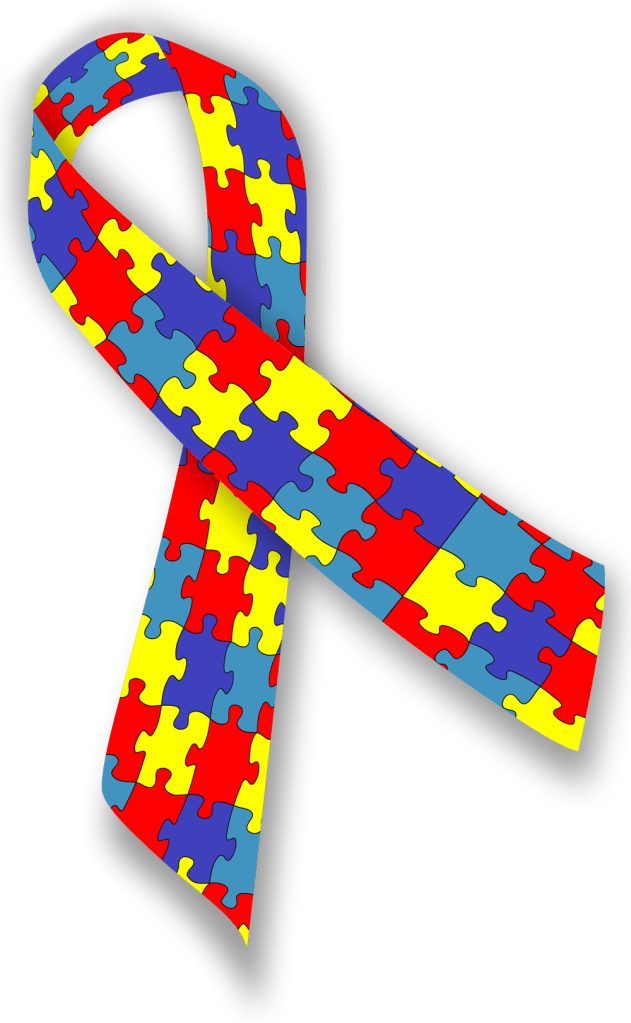
In 1999, the Autism Society released the autism awareness ribbon. The multiple colors are to represent the diversity of autistic individuals. This symbol has become the international symbol for autism.
The puzzle piece has been cause for debate since its inception. Some have interpreted the ribbon to mean that autistic individuals have a missing piece or are incomplete. Others say it represents the complexity of autism. Autism, a peer-reviewed international journal, published a research study to find if the puzzle piece evokes negative associations. The study concluded that the general public associated puzzle pieces with incompleteness and imperfection.
A completed puzzle, such as the puzzle piece ribbon, can symbolize the diversity of a community where everyone has a place. A lone puzzle piece can represent a single individual that does not belong to a community or is lost. The symbol’s purpose was to bring awareness to autism. The next step is to shift the focus from awareness to advocacy and inclusion, which is why some advocates have developed new symbols.
The Color Blue
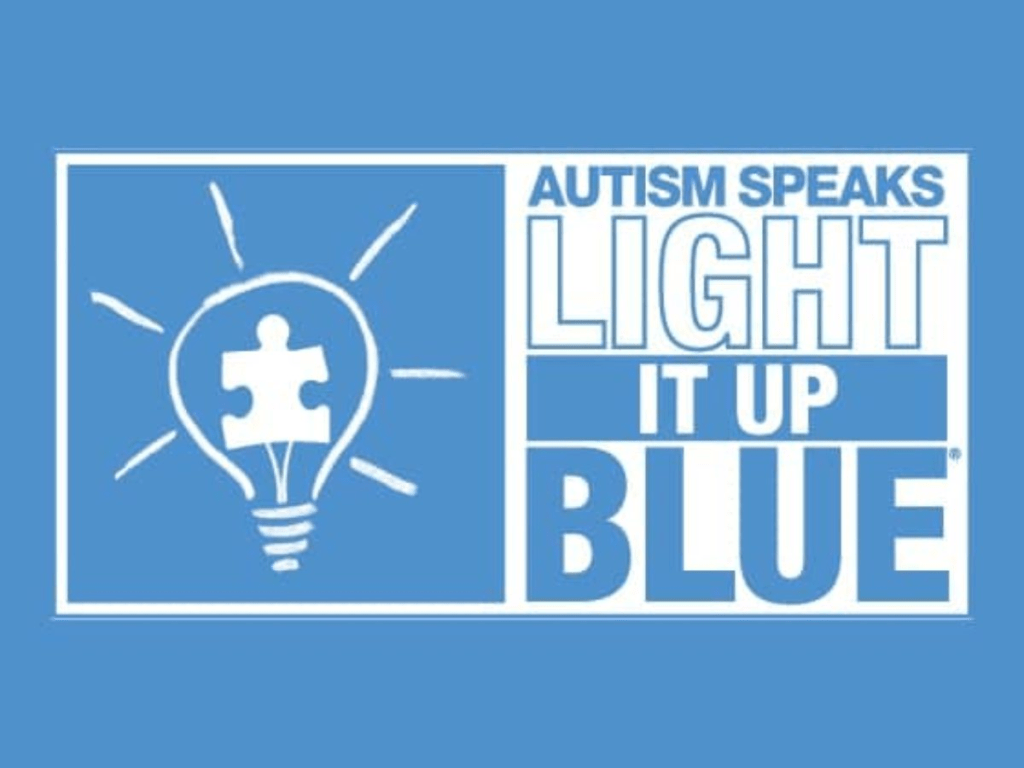
On April 2, 2007, the United Nations (UN) adopted World Autism Day to spotlight autism as a health priority. The spotlight is literal. The UN lit up world landmarks with a blue light to spread awareness internationally. This year, the UN collaborated with the Institute of Neurodiversity (ION) for the campaign to bring focus to the broader neurodiversity community. The narrative is changing from curing or converting autistic individuals to acceptance, support, and inclusion.
Blue is a color used by groups led by non-autistics, such as Autism Speaks. These organizations view autistic people as diseased. I wrote a small segment on organizations like this near the end of my blog post, A Brief History of Autism.
The Butterfly
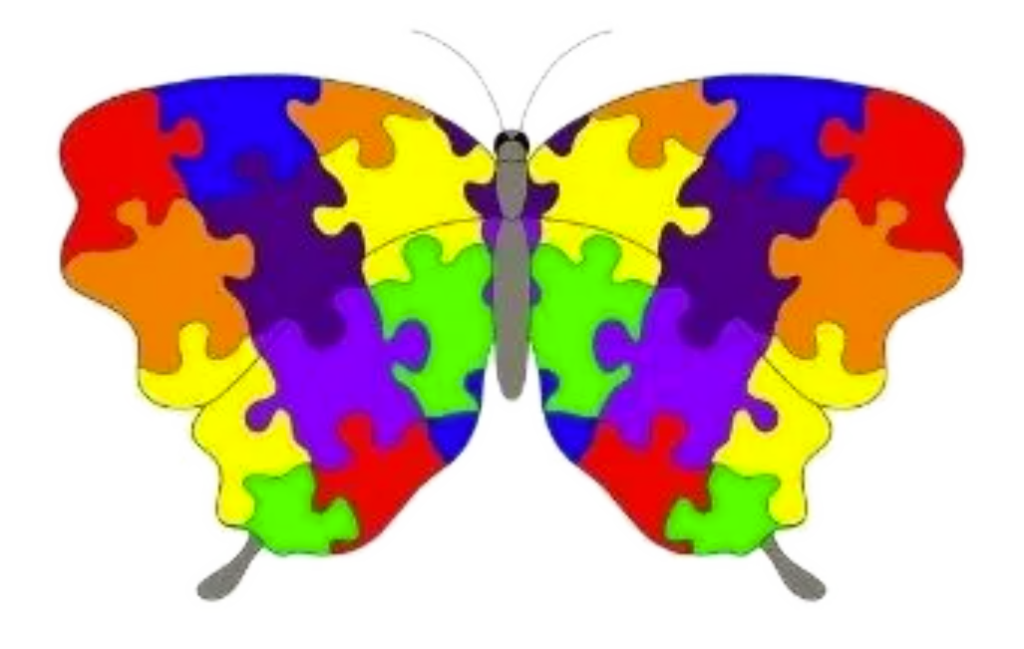
I tried to find information about the origin of this design but have yet to find it. It is a proposed alternative to the puzzle piece symbol to represent an individual changing in their own time and the beauty of diversity.
It is important to allow anyone to change when they are ready, a positive meaning in this symbol. Another positive to the butterfly is the uniqueness displayed between each butterfly, which symbolizes the differences between autistic individuals. However, butterflies go through metamorphosis alone. I think this symbol highlights the isolation autistic individuals go through.
The Rainbow Infinity Symbol
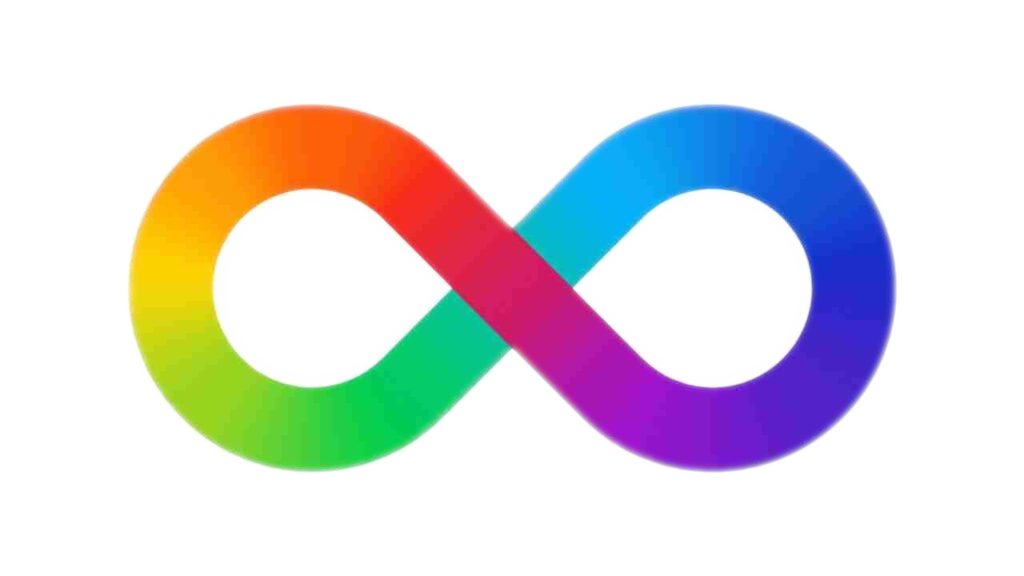
Aspies For Freedom designed the rainbow infinity symbol to reflect “diversity with infinite variations and infinite possibilities.” They released the symbol on the first Autistic Pride Day, June 18, 2005. The autistic pride flag displays this symbol surrounded by the color gold. The rainbow represents neurodiversity, and the gold background is an alternative to the color blue (the chemical symbol for gold is Au).
This symbol had a positive reception from the public. It focuses on the inclusivity and diversity of all neurodivergent individuals.
In Conclusion
Symbols can exhibit unintended meanings when viewed from a perspective other than the designer’s. The purpose can also inherit messages associated with the organization that created them. Despite the positive intentions, a symbol may not represent the community it is supposed to. Also, a symbol’s meaning can change as the world gains more knowledge. By designing symbols with, instead of for, the individuals that will be affected, inclusivity is almost a certainty.
Autism is no longer a ‘puzzling condition.’ It is a distinct way of perceiving, understanding, and communicating information. With this in mind, I believe the puzzle piece no longer reflects, if it ever did, the autistic community. Many organizations, such as the National Autistic Society and the Autism Self-Advocacy Network (ASAN), have updated their logos to include rainbow colors. We must continue respectfully representing our community and promoting inclusion, understanding, and acceptance.
Where to Find Us
You can find us on Facebook and meetup. If you have any questions or concerns, click the email link below or send questions to wisconsinautism@gmail.com
Newsletter
Subscribe to our email to get updates.
 Wisconsin Autism Empowerment