
Fostering Inclusion
By Brandon Fredricks September 22, 2024
Years ago, I believed that those who opposed inclusion did so deliberately, perpetuating division. This perspective shaped my thinking for a long time, leading me to attribute cultural division solely to those who may not prioritize the dignity of others. However, my understanding of why ideological divides exist regarding social participation has evolved. I’d like to share my thoughts on this matter. Before we dive in, it is important to acknowledge that this perspective addresses a profoundly complex and emotionally charged social issue.
What is Inclusion
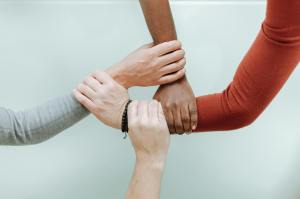
Inclusion allows equal access to opportunities and resources, regardless of background, ability, or identity. It celebrates differences rather than creating unnecessary barriers. It fosters collaboration, representation, and mutual understanding, where diverse voices are valued and empowered to contribute meaningfully.
Inclusion is built on equity, respect for diversity, a sense of belonging, and security. Recognizing an individual’s intrinsic worth cultivates respect for their rights and identity. By removing barriers that hinder full participation in society, we empower people to contribute to decisions that benefit everyone, paving the way for progress respectfully and safely.
Barriers to Inclusion
Social identities, such as gender, race, religion, disability status, socioeconomic status, and sexual orientation, shape how individuals experience society. While many factors contribute to identity, these categories often serve as lines along which division is most visible. In a society, the largest group of individuals that share the most aspects of an identity have what is known as a dominant identity. It is necessary to note that individuals of the dominant identity may not be conscious of their status.
An individual’s social identity influences their experiences and interactions. People who share many aspects of identity may align in beliefs, attitudes, and preferences, creating shared perspectives. A person may experience privilege in some aspects of their identity, granting them societal advantages while facing oppression in other areas, leading to a denial of certain rights (Bergkamp et al., 2022). It is important to understand that all individuals, even those who share the dominant social identity, face challenges.
When viewed on a societal scale, those who align with the dominant identity often experience unspoken advantages. These advantages, such as easier access to resources, stem from long-standing systemic inequities. We can work toward a more inclusive and equitable society for all by recognizing how historical power imbalances have affected marginalized communities.
How to Be Inclusive
- Recognize and Challenge Biases
- We all carry unconscious biases that shape our beliefs and assumptions. The first step toward fostering inclusion is acknowledging those biases. By questioning stereotypes and seeing people as individuals rather than simply as members of a group, we can create more meaningful and respectful connections.
- Listen Actively and Empathetically
- The meanings of sympathy and empathy are often confused. Sympathy recognizes an individual’s misfortune from a distance, and empathy involves connecting emotionally with someone and experiencing their feelings. Empathy means seeking to understand an individual’s experiences and emotions, fostering trust and open discussion.
- Respect Differences
- Providing diverse individuals with a meaningful voice and role in decisions is true inclusion. Merely having them present is not enough. Recognize that individuals come from various backgrounds and identities, and appreciate these differences rather than view them as barriers.
- Create Accessible Spaces
- People need a space where they can feel safe expressing their thoughts and identities without fear of judgment or discrimination. Make this space accessible to people with different abilities, offering accommodations such as ramps, seating options, interpreters, and assistive technology.
- Promote Equity, Not Just Equality
- Some people may need different levels of support to have the same opportunities as others, depending on their circumstances. Mentorship, accommodations, or additional resources can help ensure these people have what they need to succeed.
- Be Open to Feedback and Growth
- Growth is a process. Be open to constructive criticism and willing to adjust behaviors and attitudes to better meet the needs of others. Actively seek input from others, especially those from diverse communities, about how you can be more inclusive.
- Foster Collaborative Environments
- Advocate for diversity so that all groups see themselves reflected in the power structure. Invite people with different perspectives to contribute, particularly those of marginalized communities.
- Model Inclusive Language
- Avoid language that perpetuates stereotypes or excludes certain groups. Instead of assuming someone’s identity, ask how they prefer to be addressed. Respect people’s pronouns and names, and be open to learning new concepts.
- Encourage Inclusive Mindsets in Others
- As mentioned earlier, we all carry unconscious biases. Encourage those around you to challenge their biases through inclusive discussions or advocacy. Lead by example, demonstrating the importance of respect and openness.
- Build Communities of Belonging
- Make people feel seen, heard, and valued for who they are, not only in the spaces you create but out in the world.
Inclusion is an ongoing practice that requires commitment and effort. Challenge biases, foster empathy, and make intentional efforts to break down barriers. Listen actively, respect differences, and ensure that diverse perspectives are reflected in society. Create an environment where everyone feels valued, respected, and empowered to contribute.
Building an equitable society is a complex matter. We must continuously reflect on our own attitudes and embrace diversity to enrich our community. Together, we can work toward a future where everyone is given the opportunity to thrive.
References:
Bergkamp, J., Olson, L., & Martin, A. (2022). Before allyship: A model of integrating awareness of a privileged social identity. National Library of Medicine. https://www.ncbi.nlm.nih.gov/pmc/articles/PMC9768538/
Where to Find Us
You can find us on Facebook and meetup. If you have any questions or concerns, click the email link below or send questions to wisconsinautism@gmail.com
Newsletter
Subscribe to our email to get updates.
 Wisconsin Autism Empowerment